
Are Your Grinding Teeth Causing Jaw Pain and Headaches ?
- Family Dental Clinic
- Apr 27
- 3 min read
Grinding your teeth might seem like a minor annoyance, but it can lead to serious discomfort such as jaw pain and headaches. Many people don’t realize that the source of their daily aches could be their own teeth. Understanding how teeth grinding affects your body can help you find relief and protect your oral health.

What Is Teeth Grinding?
Teeth grinding, also known as bruxism, is the involuntary clenching or grinding of teeth. It often happens during sleep but can also occur when you are awake, especially during stressful moments. This repetitive action puts pressure on your teeth and jaw muscles.
People who grind their teeth may not always be aware of it. Sometimes, a partner or dentist notices the signs first. Grinding can wear down tooth enamel, cause tooth sensitivity, and lead to other dental issues.
How Teeth Grinding Leads to Jaw Pain
The jaw muscles work hard when you grind your teeth. Constant clenching strains these muscles, causing soreness and stiffness. Over time, this strain can lead to a condition called temporomandibular joint disorder (TMJ or TMD).
The temporomandibular joint connects your jawbone to your skull. When this joint is stressed by grinding, it can become inflamed or misaligned. This results in pain, clicking sounds, and difficulty opening or closing your mouth.
Common symptoms of jaw pain related to grinding include:
Aching or tenderness around the jaw
Difficulty chewing or biting
A feeling of tightness or fatigue in the jaw muscles
Popping or clicking sounds when moving the jaw
Why Grinding Causes Headaches
Grinding teeth can also trigger headaches, especially tension headaches. The constant muscle tension in your jaw can spread to your temples, neck, and head. This muscle tightness reduces blood flow and irritates nerves, leading to pain.
People with bruxism often wake up with headaches that feel like a band tightening around their head or a dull ache behind the eyes. These headaches can affect concentration and mood throughout the day.
Identifying If Your Teeth Are the Cause
If you experience jaw pain or frequent headaches, consider these signs that teeth grinding might be the cause:
Waking up with a sore jaw or headache
Noticing worn or flattened teeth
Feeling tightness in your jaw muscles during the day
Hearing clicking or popping sounds when opening your mouth
Your partner hears grinding noises at night
A dentist can perform an examination to check for signs of grinding and jaw joint problems. They may also ask about your symptoms and sleep habits.
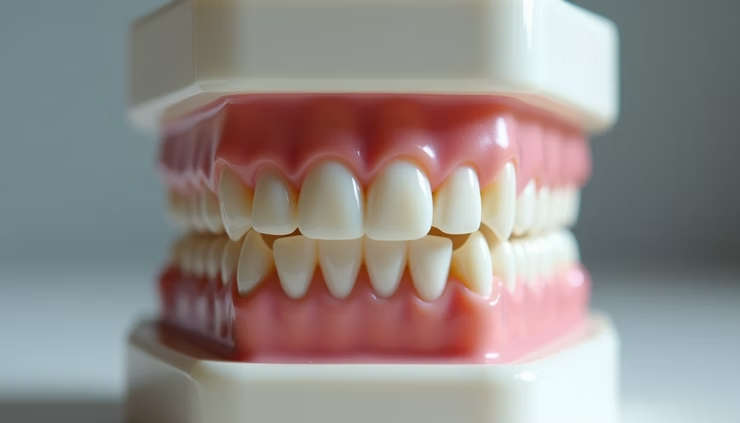
Practical Steps to Manage Teeth Grinding
Managing teeth grinding involves reducing the strain on your jaw and protecting your teeth. Here are some effective strategies:
Use a Mouthguard
A custom-fitted mouthguard worn at night can cushion your teeth and prevent damage. It also helps reduce muscle tension by keeping your jaw in a relaxed position.
Practice Stress Reduction
Stress is a common trigger for grinding. Techniques such as deep breathing, meditation, or yoga can help lower stress levels and reduce grinding episodes.
Avoid Stimulants Before Bed
Caffeine and alcohol can increase grinding during sleep. Limiting these substances, especially in the evening, may improve symptoms.
Jaw Exercises
Gentle jaw stretches and massages can relieve muscle tension. A physical therapist or dentist can recommend specific exercises tailored to your needs.
Maintain Good Sleep Hygiene
Poor sleep quality can worsen grinding. Establish a relaxing bedtime routine and ensure your sleep environment is comfortable.
When to See a Professional
If jaw pain or headaches persist despite home care, seek professional advice. A dentist or doctor can evaluate your condition and suggest treatments such as:
Physical therapy for jaw muscles
Medications to reduce pain or inflammation
Botox injections to relax jaw muscles (in some cases)
Dental adjustments to correct bite issues
Early intervention can prevent long-term damage to your teeth and jaw.
Protecting Your Smile and Well-being
Teeth grinding is more than just a dental problem. It affects your overall comfort and quality of life. By recognizing the signs and taking steps to manage grinding, you can reduce jaw pain and headaches.
Pay attention to your body’s signals and consult a healthcare provider if you suspect grinding is causing your discomfort. With the right care, you can protect your teeth and enjoy a pain-free day.


Comments